Agent provenance
Design toward making the source of claims, outputs, and recommendations visible before they influence decisions.
Pre-alpha local-first AI infrastructure
Mythica helps turn scattered AI work into reviewable context without treating agent output as automatic truth, approval, or completion.
It is a local-first ecosystem for agent memory, evidence, evaluation, governance, and human-controlled workflows.
Useful AI-assisted work still needs memory, evidence, evaluation, governance, and human authority. Mythica explores how those pieces can stay visible and reviewable over time.
Design toward making the source of claims, outputs, and recommendations visible before they influence decisions.
Design workflows where observations, helper outputs, and run evidence remain distinct from approval or authority.
Build around human/operator decision points instead of treating agent output as automatic action.
Mythica organizes AI-assisted work around a simple loop: Work -> Evidence -> Provenance -> Evaluation -> Governance -> Human Decision.
Humans, tools, scripts, and agents create outputs.
Artifacts, traces, claims, and files can be captured for review.
The origin and movement of information stays visible.
Behavior can be compared for quality, drift, and regression.
Evidence is reviewed within explicit authority boundaries.
People retain authority over approval, truth, and next action.
AI work spreads across chats, tools, repositories, documents, logs, model outputs, and human decisions. Mythica is about keeping that work understandable instead of letting context disappear.
Long-running work needs context and provenance that survive individual conversations and tools.
Claims, artifacts, validation posture, and approval state need to remain separate.
Prompts, agents, branches, and documents need lineage and decision boundaries.
The ecosystem is organized as separate layers so memory, evidence, evaluation, governance, and operator control do not collapse into one unsafe automation surface.
The context intelligence layer is the memory and provenance direction for structured, reviewable context. Current source-ingest work is parked and not ready.
The operator and governance layer is the direction for keeping evidence, review posture, approval state, and durable decisions separate.
Studio is the operator workspace direction for viewing context, preparing handoffs, and reviewing artifacts without turning display into authority.
Evaluator is a proposed future layer for comparison, regression detection, and reviewable evaluation reports.
The evaluation research lab direction informs reproducible experiments, evidence posture, and regression-style review.
Legacy Mythica preserves the infrastructure, creative AI, local compute, and experimentation history that shaped the current system.
Recent progress is about making the ecosystem harder to overstate: recording what is mainline, what is parked, and what is still research.
Mythica now has bounded internal helpers and review-side building blocks, while keeping readiness and authority claims out of scope.
Some work is useful as design input without being selected, trusted, installed, or ready for operational use.
Count-only and metadata-only helpers support review-side analysis, but they do not make ingest ready.
Current design work frames the difference between policy instructions and tested technical boundaries.
PI and NemoClaw/Hermes research inform future thinking without implying trust, install, or adoption.
Evidence movement is not authority movement. Mythica separates what happened from what was approved.
Clear limits are part of the project. Mythica should be understandable without implying it is more mature than it is.
Recent work adds evaluator and harness research to the current Mythica picture while keeping pre-alpha boundaries around readiness, trust, and authority.
Evaluator work is still early synthetic and local. It is focused on review-assist signals such as false completion claims, missing evidence, unknown preservation, unclear handoffs, and safer review loops.
Harness research is clarifying sandbox and trust requirements before any package install, runtime execution, external tool adoption, package trust, or harness trust is considered.
A technical boundary preflight exists as a non-destructive review-only test candidate. It is not implemented enforcement and does not create runtime authority.
This is not production evaluator readiness, benchmark readiness, SDK or package readiness, Docker/Kubernetes readiness, validation, approval, active work launch, formal acceptance, or authority movement.
Near-term focus remains on source-bounded review, safer wording, and clearer boundaries before deeper automation or runtime work.
Turn internal evidence into public copy without exposing private details or overstating readiness.
Continue treating count-only and metadata-only work as bounded internal helpers until source-ingest work is explicitly selected and reviewed.
Use design and non-destructive preflight work before any technical permission or runtime changes.
Mythica grew from practical infrastructure, creative AI, local compute, and early research into evidence and authority across AI-assisted work.
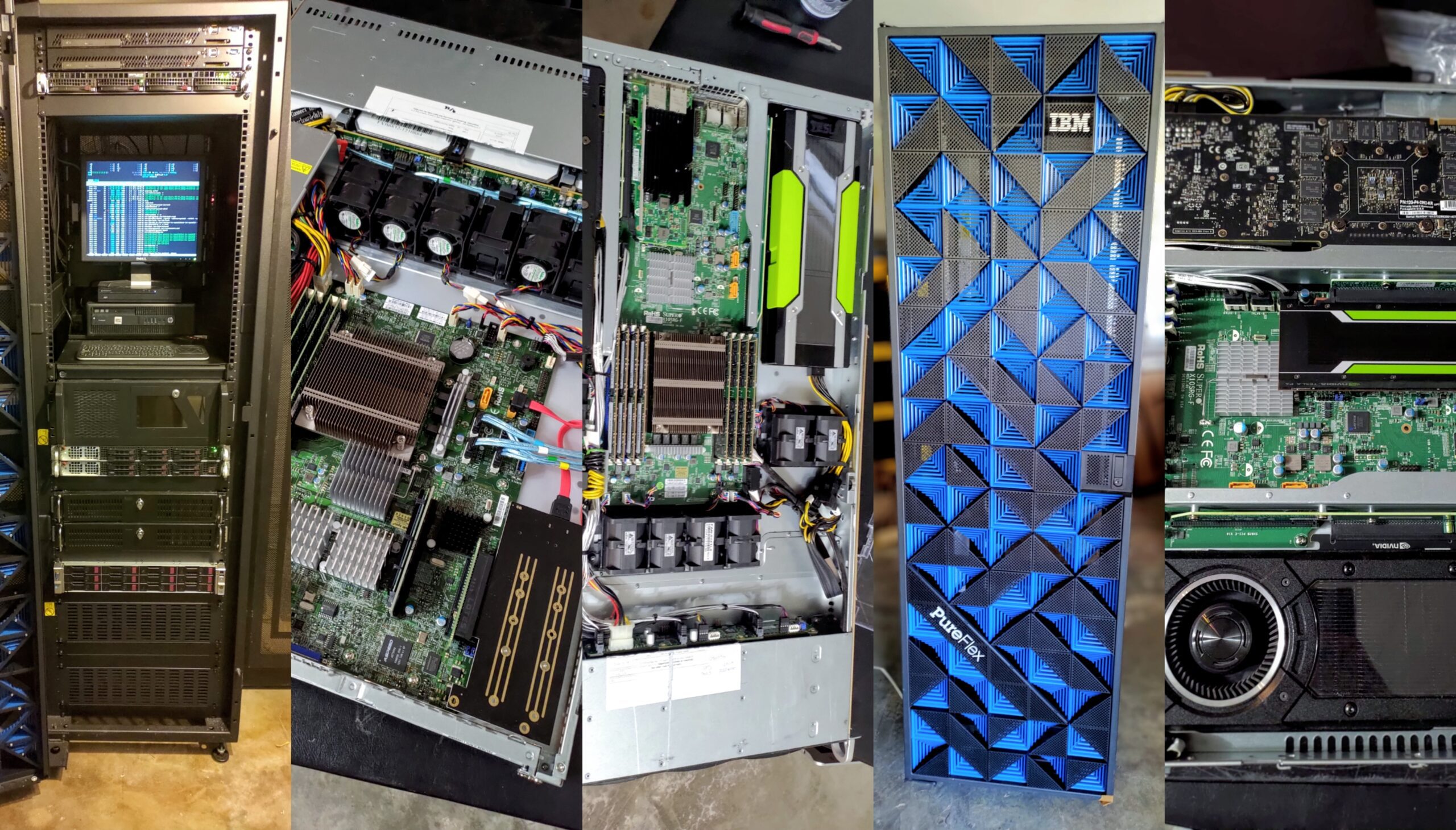
Backup, edge, server, and operational ownership shaped the local-first bias.
Generated artifacts, visualization, local GPU work, and practical AI systems shaped the research path.
The current direction focuses on reviewable context, evidence boundaries, and human authority.